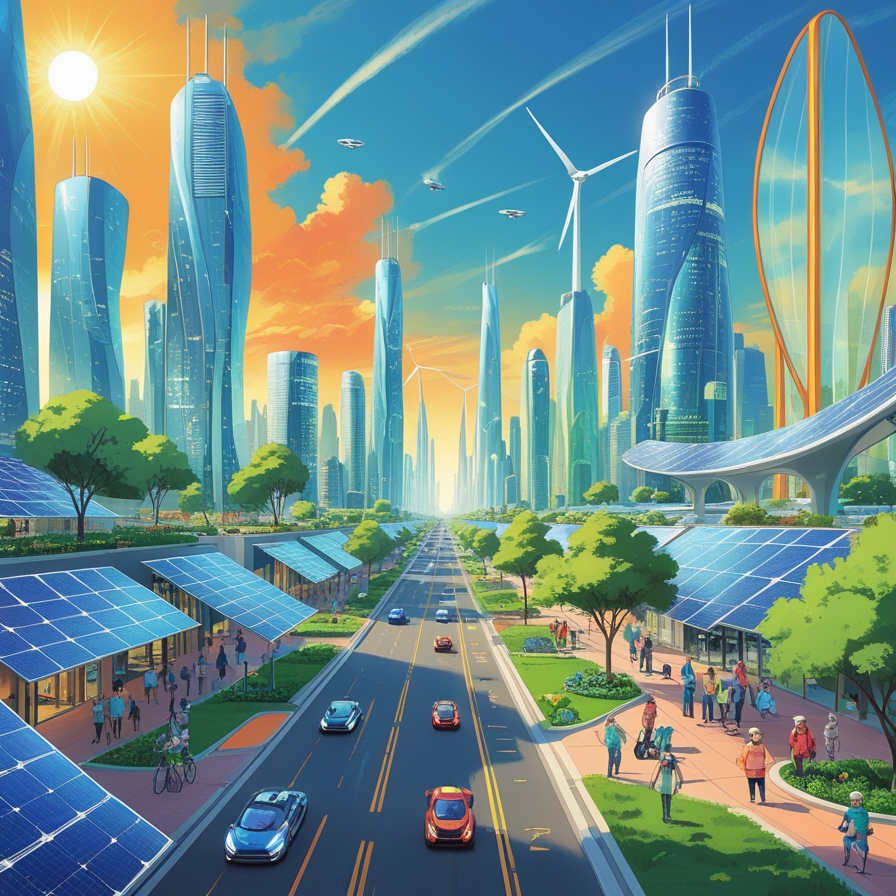
Exploring the Advantages and Disadvantages of Solar Energy
Solar energy, harnessed from the sun's rays, has become an increasingly popular alternative to traditional fossil fuels. As the world continues to grapple with climate change and the need for sustainable energy sources, solar power has emerged as a viable solution. However, like any energy source, solar energy comes with its own set of advantages and disadvantages. In this discussion, we will delve into the various pros and cons of solar energy, providing a comprehensive understanding of its impact on the environment, economy, and society.
The Environmental Benefits of Solar Energy
One of the most significant advantages of solar energy is its environmental impact. Solar power is a clean and renewable energy source, which means it does not produce harmful emissions that contribute to air pollution and global warming. Unlike fossil fuels, which release carbon dioxide and other greenhouse gases into the atmosphere, solar panels generate electricity without emitting any pollutants. This reduction in greenhouse gas emissions is crucial in the fight against climate change, making solar energy a key player in reducing our carbon footprint.
Additionally, solar energy reduces the need for water consumption, a critical issue in many parts of the world. Traditional power plants, such as those that burn coal or natural gas, require vast amounts of water for cooling purposes. Solar panels, on the other hand, do not require water to generate electricity, thus conserving this vital resource. This makes solar energy particularly beneficial in arid regions where water scarcity is a significant concern.
Economic Advantages: Job Creation and Energy Independence
The economic impact of solar energy is another compelling reason for its adoption. As the solar industry continues to grow, it has become a significant source of job creation. From manufacturing solar panels to installing and maintaining them, the solar energy sector provides employment opportunities across various skill levels. This job creation contributes to economic growth and can help reduce unemployment rates in regions where the solar industry is thriving.
Furthermore, solar energy promotes energy independence. By harnessing the power of the sun, countries can reduce their reliance on imported fossil fuels, which are often subject to price fluctuations and geopolitical tensions. Solar energy enables nations to generate their own electricity, enhancing energy security and reducing vulnerability to external factors. This independence is particularly valuable in times of crisis, such as during energy supply disruptions or economic sanctions.
The Financial Benefits of Solar Energy
For individual consumers and businesses, solar energy offers several financial advantages. One of the most attractive aspects of solar power is the potential for significant cost savings on electricity bills. Once installed, solar panels can generate electricity for decades with minimal maintenance, providing a reliable source of energy that can reduce or even eliminate monthly utility bills. In some regions, excess electricity generated by solar panels can be sold back to the grid, further increasing cost savings.
Moreover, the cost of solar panels has decreased dramatically over the past decade, making solar energy more accessible to a broader range of consumers. Government incentives, such as tax credits and rebates, further reduce the upfront cost of installing solar panels, making the transition to solar energy financially viable for many households and businesses. Over time, the investment in solar energy can pay for itself, offering long-term financial benefits.
Technological Advancements and Innovation
The rapid pace of technological advancements in the solar industry has also contributed to its growth and adoption. Innovations in solar panel design and efficiency have made it possible to generate more electricity from smaller and less expensive panels. These advancements have made solar energy more practical for residential and commercial applications, as well as for large-scale solar farms.
In addition to improvements in solar panel technology, advancements in energy storage solutions, such as batteries, have enhanced the viability of solar energy. Energy storage systems allow excess solar power to be stored for use during periods when the sun is not shining, such as at night or on cloudy days. This ability to store solar energy increases the reliability of solar power and reduces the need for backup energy sources.
The Disadvantages of Solar Energy: Initial Costs and Space Requirements
Despite its many benefits, solar energy is not without its challenges. One of the primary disadvantages of solar energy is the initial cost of installation. While the cost of solar panels has decreased significantly, the upfront expense of purchasing and installing a solar energy system can still be prohibitive for some consumers. This initial investment includes the cost of solar panels, inverters, mounting hardware, and installation labor. Although government incentives can help offset these costs, the financial barrier remains a significant consideration for many potential solar energy adopters.
Another challenge associated with solar energy is the space required for solar panel installation. Solar panels need to be installed in locations that receive direct sunlight for most of the day, which often means large, unobstructed areas. For residential installations, this typically involves placing panels on rooftops. However, not all roofs are suitable for solar panels due to factors such as shading from trees or buildings, roof orientation, and structural limitations. In cases where rooftop installation is not feasible, ground-mounted solar panels may be an option, but this requires sufficient land area, which may not be available in densely populated urban areas.
Intermittency and Energy Storage Challenges
One of the inherent limitations of solar energy is its intermittency. Solar power generation is dependent on sunlight, which means that it cannot produce electricity at night or during periods of heavy cloud cover. This intermittency poses a challenge for ensuring a consistent and reliable energy supply, particularly in regions with less sunlight.
To address this issue, energy storage solutions, such as batteries, are essential for storing excess solar power generated during sunny periods for use during times of low sunlight. However, the cost and efficiency of current energy storage technologies remain a challenge. While advancements are being made, large-scale energy storage systems can be expensive and may not yet be practical for all applications. This reliance on energy storage adds to the overall cost of a solar energy system and can impact its economic viability.
Environmental and Resource Concerns
While solar energy is generally considered environmentally friendly, there are some environmental concerns associated with its production and disposal. The manufacturing process for solar panels involves the use of hazardous materials, such as cadmium and lead, which can pose environmental risks if not properly managed. Additionally, the mining of raw materials required for solar panel production, such as silicon and rare earth elements, can have negative environmental impacts, including habitat destruction and pollution.
Another environmental concern is the disposal of solar panels at the end of their life cycle. Solar panels have a lifespan of around 25 to 30 years, after which they may need to be replaced. The disposal of old panels presents challenges, as they contain materials that can be harmful to the environment if not properly recycled. As the number of installed solar panels increases, the issue of panel disposal and recycling is becoming more pressing.
The Impact of Solar Energy on Property Values
The installation of solar panels can also have an impact on property values. In many cases, homes with solar energy systems are perceived as more desirable due to the potential for reduced energy costs and environmental benefits. As a result, properties with solar panels may see an increase in market value, making solar energy an attractive investment for homeowners.
However, the impact of solar panels on property values is not universally positive. In some cases, the appearance of solar panels on a property may be seen as a negative factor, particularly if the panels are installed in a way that detracts from the aesthetic appeal of the home. Additionally, in regions where solar energy is not widely adopted, the presence of solar panels may not significantly influence property values.
The Role of Solar Energy in Grid Stability
As the adoption of solar energy increases, its impact on grid stability is an important consideration. Solar power generation is distributed, meaning that it is generated at various locations, such as homes and businesses, rather than centralized power plants. This distributed generation can contribute to grid stability by reducing the strain on centralized power stations and lowering the risk of blackouts.
However, the intermittent nature of solar power also presents challenges for grid stability. Sudden changes in solar power generation, such as when clouds pass over a solar farm, can cause fluctuations in electricity supply. To manage these fluctuations, grid operators need to have backup power sources available or implement advanced grid management technologies that can balance supply and demand in real-time. The integration of solar energy into the grid requires careful planning and investment in grid infrastructure to ensure a stable and reliable energy supply.
The Global Impact of Solar Energy Adoption
The global adoption of solar energy has far-reaching implications for the environment, economy, and society. As more countries invest in solar power, the demand for fossil fuels is expected to decrease, leading to a reduction in greenhouse gas emissions and a slowdown in global warming. The widespread adoption of solar energy also has the potential to create new economic opportunities, particularly in developing countries where access to electricity is limited.
In regions where electricity infrastructure is underdeveloped, solar energy can provide a reliable and affordable source of power, improving the quality of life for millions of people. Solar energy can be deployed in remote areas that are not connected to the grid, bringing electricity to communities that previously relied on expensive and polluting diesel generators. This access to electricity can drive economic development, improve education and healthcare outcomes, and contribute to poverty reduction.
Conclusion: Weighing the Pros and Cons of Solar Energy
Solar energy offers a range of benefits, from reducing greenhouse gas emissions and promoting energy independence to creating jobs and providing cost savings. However, it also presents challenges, such as the initial cost of installation, the need for sufficient space, and the intermittency of solar power generation. As technology continues to advance, many of these challenges are being addressed, making solar energy an increasingly viable and attractive option for individuals, businesses, and governments alike.
The decision to invest in solar energy ultimately depends on a variety of factors, including geographic location, financial resources, and energy needs. By carefully considering the pros and cons of solar energy, individuals and organizations can make informed decisions about whether solar power is the right choice for their energy needs. As the world continues to transition towards a more sustainable energy future, solar energy will undoubtedly play a crucial role in shaping the way we generate and consume electricity.